Common Car Maintenance Mistakes That Cost Drivers More Money
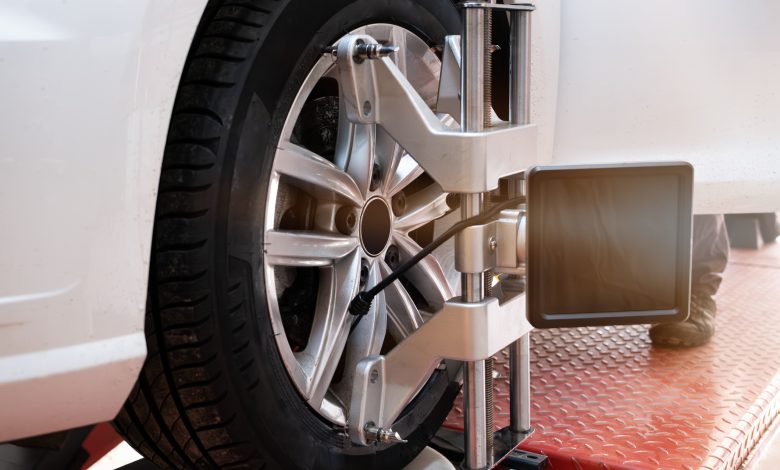
Owning a car comes with ongoing responsibilities, and maintenance mistakes are one of the fastest ways to turn small issues into expensive repairs. Many drivers unintentionally shorten their vehicle’s lifespan simply by overlooking routine care or misunderstanding basic upkeep. Knowing what to avoid can save you thousands over time and keep your car running reliably.
Skipping Regular Oil Changes
Oil is the lifeblood of your engine, yet delayed or skipped oil changes remain a widespread mistake.
Why this gets expensive:
- Dirty oil increases engine friction
- Sludge buildup damages internal components
- Engine repairs cost far more than routine oil service
Sticking to the manufacturer’s recommended oil change schedule protects engine health and fuel efficiency.
Ignoring Dashboard Warning Lights
Dashboard warning lights are designed to alert you early, not to be ignored.
Common consequences of neglecting them:
- Minor sensor issues turning into major failures
- Reduced engine performance
- Higher repair bills due to delayed action
Even if the car feels fine, warning lights often signal hidden problems that worsen with time.
Neglecting Tire Maintenance
Tires affect safety, fuel economy, and ride comfort. Poor tire care quietly drains money from your wallet.
Frequent tire-related mistakes include:
- Driving with incorrect tire pressure
- Skipping wheel alignments
- Failing to rotate tires regularly
These issues lead to uneven wear, reduced fuel efficiency, and premature tire replacement.
Putting Off Brake Service
Brakes rarely fail suddenly; they usually give warning signs that drivers overlook.
Costly outcomes of delayed brake maintenance:
- Worn pads damaging rotors
- Reduced stopping power
- More extensive and expensive brake repairs
Addressing squeaks, vibrations, or grinding sounds early keeps repair costs manageable.
Using the Wrong Fluids
Modern vehicles rely on multiple specialized fluids, and using the wrong type can cause damage.
Common fluid-related errors:
- Mixing incompatible coolant types
- Using incorrect transmission fluid
- Ignoring power steering or brake fluid condition
Always follow manufacturer specifications when topping off or replacing fluids.
Skipping Scheduled Maintenance
Some drivers only visit a mechanic when something breaks. This reactive approach is costly.
Scheduled maintenance helps prevent:
- Unexpected breakdowns
- Reduced fuel economy
- Early component failure
Routine inspections catch wear and tear before it turns into a major expense.
Overlooking the Battery
Car batteries don’t last forever, yet many drivers forget about them until the car won’t start.
Battery neglect often leads to:
- Sudden breakdowns
- Damage to the charging system
- Emergency replacement costs
Regular battery testing and terminal cleaning can prevent inconvenient failures.
Ignoring Unusual Noises or Smells
Strange sounds or smells are early warning signs that something isn’t right.
Examples include:
- Burning smells indicating fluid leaks
- Knocking sounds from the engine
- Hissing noises from belts or hoses
Prompt diagnosis usually means a simpler and cheaper fix.
Delaying Small Repairs
Small problems rarely stay small when ignored.
Delays can result in:
- Additional parts damage
- Higher labor costs
- Reduced resale value
Fixing minor issues quickly protects both your car and your budget.
FAQs
How often should basic car maintenance be performed?
Basic checks like oil level, tire pressure, and fluid condition should be done monthly, while full inspections typically follow manufacturer intervals.
Does skipping maintenance really affect fuel efficiency?
Yes, issues like underinflated tires or dirty oil can significantly reduce fuel economy over time.
Are dealership services always better than independent mechanics?
Not necessarily. Quality independent mechanics can provide reliable service at lower costs, especially for routine maintenance.
Can ignoring maintenance affect car resale value?
Absolutely. Incomplete service records and visible neglect lower resale and trade-in values.
Is preventive maintenance cheaper than repairs?
Preventive maintenance almost always costs less than repairing major components after failure.
What maintenance mistakes lead to the most expensive repairs?
Ignoring oil changes, brake issues, and warning lights are among the most costly mistakes drivers make.
How can new drivers avoid common maintenance errors?
Following the owner’s manual, setting reminders, and addressing issues early are the most effective strategies.
By avoiding these common car maintenance mistakes, drivers can extend vehicle life, improve safety, and keep long-term costs under control. A little attention now prevents a lot of expense later.

