Online Banking Security Tips Everyone Should Follow
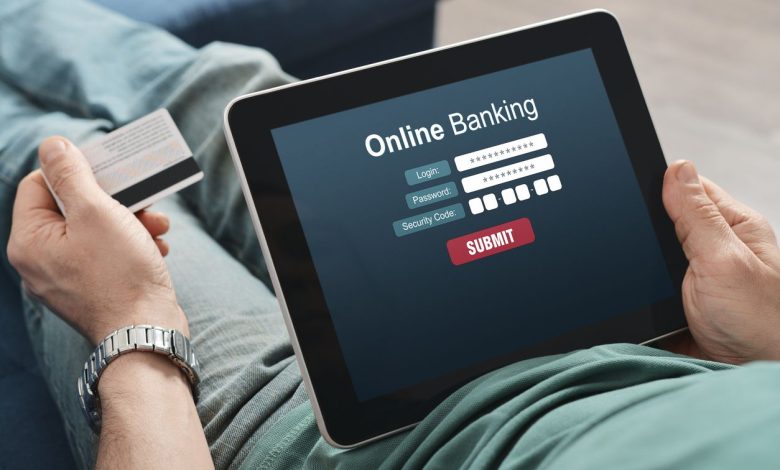
Online banking offers speed and convenience, but it also requires strong security habits. Cybercriminals often target financial accounts because even small lapses can lead to serious losses. Protecting your online banking activity starts with simple, consistent precautions that reduce risk and increase control.
Use Strong and Unique Passwords
Weak or reused passwords are one of the most common security vulnerabilities.
A strong password should:
- Be long and complex
- Include letters, numbers, and symbols
- Be unique to your banking account
Avoid using personal details or repeating passwords across multiple platforms.
Enable Two-Factor Authentication
Two-factor authentication adds an extra layer of protection beyond passwords.
This security feature:
- Requires a second verification step
- Reduces the risk of unauthorized access
- Helps protect accounts even if passwords are compromised
Always enable it when available for banking and financial apps.
Avoid Public Wi-Fi for Banking
Public Wi-Fi networks are often unsecured and easily exploited.
Risks of using public networks include:
- Data interception
- Account credential theft
- Exposure to malicious software
Use a secure, private connection or a trusted mobile network when accessing financial accounts.
Keep Devices and Apps Updated
Outdated software can contain security flaws.
Regular updates help:
- Patch known vulnerabilities
- Improve app security features
- Protect against emerging threats
Enable automatic updates whenever possible for devices and banking apps.
Monitor Account Activity Regularly
Frequent monitoring helps catch suspicious behavior early.
Make it a habit to:
- Review transactions weekly
- Set up real-time alerts
- Report unfamiliar activity immediately
Quick action can prevent minor issues from becoming major losses.
Be Cautious With Emails and Messages
Phishing attempts often mimic legitimate banking communications.
Warning signs include:
- Urgent requests for personal information
- Suspicious links or attachments
- Generic greetings instead of your name
Never click unknown links or share login details through email or text.
Use Official Banking Apps and Websites Only
Unofficial apps and fake websites are common attack methods.
To stay safe:
- Download apps only from trusted app stores
- Type banking website addresses directly
- Check for secure website indicators
Verifying sources reduces exposure to scams.
Log Out After Each Session
Staying logged in increases risk, especially on shared or public devices.
Logging out:
- Ends active sessions securely
- Prevents unauthorized access
- Reduces exposure if devices are lost or stolen
This habit is especially important when using computers outside your home.
Secure Your Mobile Devices
Phones and tablets often store sensitive financial information.
Protect devices by:
- Using screen locks or biometric access
- Enabling remote wipe features
- Avoiding untrusted app installations
Device security is just as important as account security.
Limit Shared Information Online
Oversharing personal details can help attackers guess security answers.
Avoid posting:
- Birthdates
- Address details
- Travel plans
Less public information means fewer opportunities for exploitation.
FAQs
How often should I change my online banking password?
Changing passwords every few months or after a security alert is a good practice.
Is biometric login safer than passwords?
Biometric login adds convenience and security, but it should be used alongside strong account protections.
Can banking apps be hacked?
While rare, vulnerabilities exist, which is why updates and strong security habits matter.
What should I do if I notice suspicious activity?
Contact your bank immediately and change your login credentials.
Are banking alerts really necessary?
Yes, alerts provide early warnings that help stop fraud quickly.
Is it safe to save passwords on devices?
Password managers are safer than browser saving, but device security is still essential.
Do small transactions matter when monitoring fraud?
Yes, criminals often test accounts with small charges before attempting larger thefts.
Following these online banking security tips helps protect your money, identity, and peace of mind. Strong habits, combined with awareness, significantly reduce the risk of fraud in today’s digital financial world.