Common Credit Score Mistakes That Hurt Your Financial Health
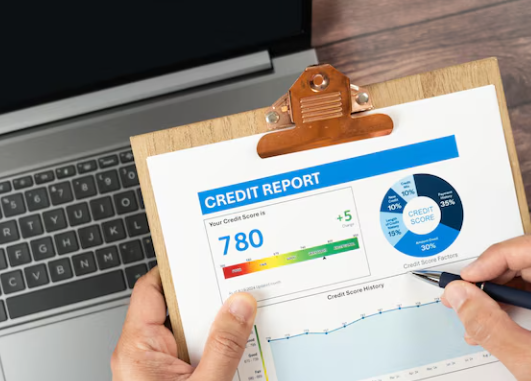
Your credit score plays a major role in your financial life, influencing loan approvals, interest rates, and even housing opportunities. Yet many people damage their credit without realizing it. Small, repeated mistakes can quietly lower your score and limit financial flexibility. Understanding these errors is the first step toward protecting and improving your financial health.
Missing or Late Payments
Payment history is one of the most important factors in credit scoring.
How this mistake hurts you:
- Late payments stay on your credit report for years
- Even one missed payment can cause a noticeable drop
- Repeated lateness signals financial risk to lenders
Paying bills on time, every time, is the most effective way to maintain a strong credit profile.
Carrying High Credit Card Balances
Using too much of your available credit can hurt your score, even if you pay on time.
High credit utilization leads to:
- Lower credit scores
- Reduced borrowing power
- Higher interest rates
Keeping balances below a reasonable portion of your credit limits shows responsible credit management.
Closing Old Credit Accounts
It may seem smart to close unused accounts, but this can backfire.
Why closing accounts can hurt:
- Shortens your credit history
- Increases overall credit utilization
- Reduces total available credit
Older accounts often strengthen your credit profile when kept open and in good standing.
Applying for Too Much Credit at Once
Each credit application typically triggers a hard inquiry.
Too many applications can cause:
- Temporary score drops
- Red flags for lenders
- Higher perceived financial risk
Spacing out credit applications helps protect your score.
Ignoring Your Credit Report
Many people never check their credit reports unless there’s a problem.
This mistake may result in:
- Undetected errors lowering your score
- Fraudulent accounts going unnoticed
- Missed opportunities to correct inaccuracies
Regularly reviewing your credit report helps catch issues early.
Only Making Minimum Payments
Paying the minimum keeps accounts current but slows debt reduction.
Long-term effects include:
- Higher interest costs
- Prolonged high balances
- Ongoing credit score pressure
Paying more than the minimum reduces debt faster and improves credit utilization.
Letting Accounts Go to Collections
Unpaid debts sent to collections significantly damage credit health.
Collections can:
- Cause major score drops
- Remain on reports for several years
- Complicate future borrowing
Addressing overdue accounts early helps prevent escalation.
Co-Signing Without Understanding the Risk
Co-signing ties your credit to someone else’s financial behavior.
Potential consequences include:
- Missed payments hurting your score
- Increased debt appearing on your credit report
- Limited borrowing capacity
Only co-sign when you fully trust the borrower and can handle the risk.
Not Building Credit at All
Avoiding credit entirely can be just as harmful as misusing it.
A lack of credit history may lead to:
- Difficulty qualifying for loans
- Higher interest rates
- Limited financial options
Responsible, gradual credit use helps establish a positive history.
FAQs
How long do credit score mistakes stay on a credit report?
Most negative marks, such as late payments or collections, remain for up to seven years.
Does checking my own credit score lower it?
No, checking your own credit is considered a soft inquiry and does not affect your score.
Can paying off debt immediately boost my credit score?
Paying down balances can help, but score improvements may take time as updates are reported.
Are credit cards bad for credit scores?
No, credit cards can help build strong credit when used responsibly and paid on time.
What’s worse for a credit score: late payments or high balances?
Late payments typically have a greater negative impact than high balances.
Can one mistake ruin my credit score permanently?
No single mistake is permanent, but repeated errors can cause lasting damage.
How often should I review my credit report?
Reviewing your credit report at least once a year is recommended, with more frequent checks if you’re actively managing credit.
Avoiding these common credit score mistakes helps protect your financial reputation, borrowing power, and long-term stability. With consistent habits and awareness, maintaining healthy credit becomes far more manageable.


